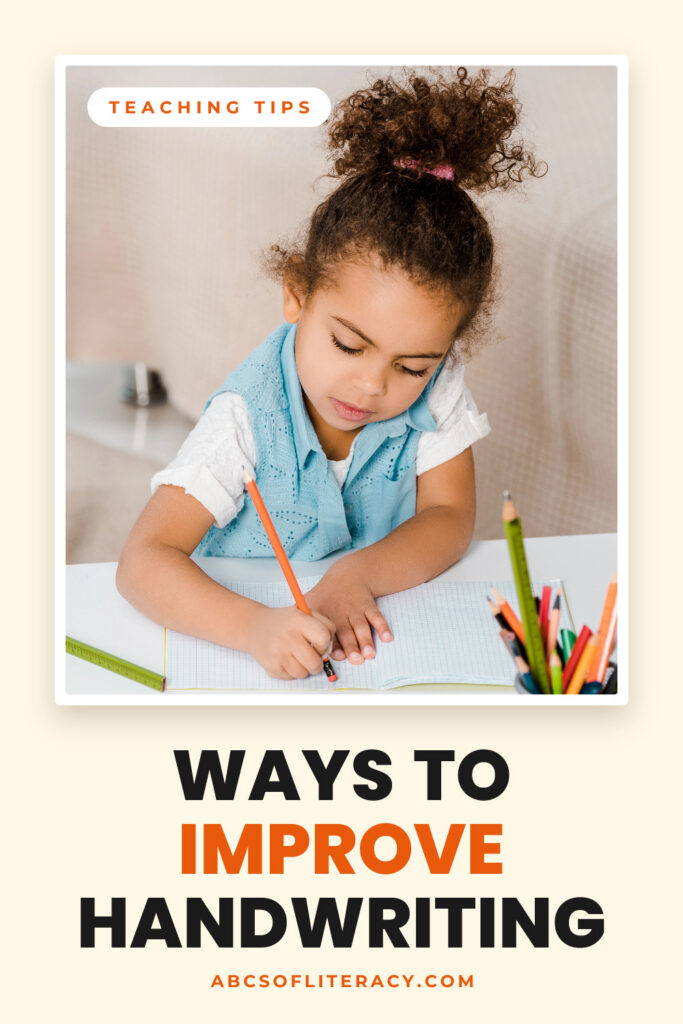
Ways to Improve Handwriting
Are you looking for ways to improve handwriting in your preschool or kindergarten classroom? Learning to write takes practice, patience, and the development of important fine motor skills.
With the right activities and plenty of opportunities to practice, young learners can build confidence as they learn to trace lines, form letters, and develop early writing skills.
Handwriting practice doesn’t have to mean completing worksheet after worksheet. Combining tracing, hands-on activities, and short, consistent practice sessions can help make learning to write more engaging for little learners.
Whether you’re a teacher, homeschool parent, or caregiver, here are some practical ways to help children strengthen their handwriting skills.
Why Is Handwriting Important?
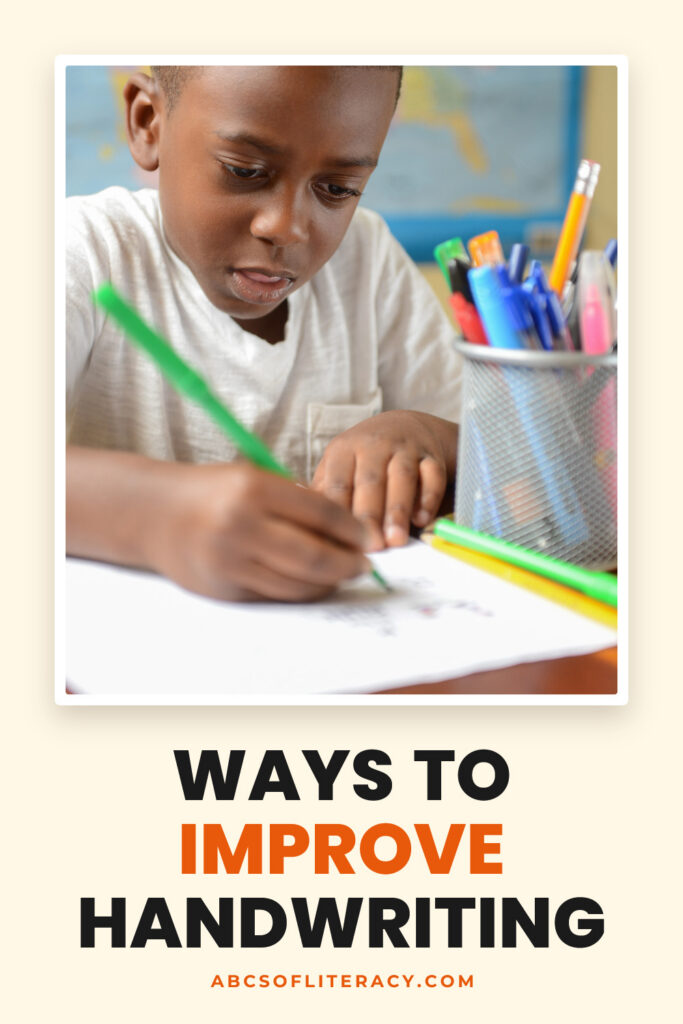
Handwriting involves more than putting a pencil to paper. Children need to coordinate their eyes and hands, control small movements, recognize letter shapes, and remember how to form letters.
Developing handwriting skills helps children prepare for writing letters, words, and sentences as they progress through their early education.
Handwriting practice can help children develop:
Writing confidence: Become more comfortable with early writing tasks through repeated practice.
Fine motor skills: Strengthen the small muscles used to control a pencil and other writing tools.
Hand-eye coordination: Coordinate what they see with the movements of their hands.
Letter recognition: Become familiar with uppercase and lowercase letter shapes.
Letter formation: Learn where to begin each letter and how to make its strokes.
Pencil control: Practice making purposeful lines, curves, and shapes.
Ways to Improve Handwriting
Focus on Fine Motor Development
Children use fine motor control for many everyday tasks, including drawing, cutting, manipulating small objects, and writing. Offering a variety of hand-strengthening activities can complement direct handwriting instruction.
Try incorporating activities such as:
- Playdough Play: Rolling, squishing, and shaping playdough strengthens finger muscles. Make it educational with these Alphabet Playdough Mats.
- Linking Activities: Use plastic links to connect cards together, which enhances hand strength and coordination. Try these Sort & Link Activities.
- Hole Punch Activities: Provide hole puncher activities for your students to practice squeezing and punching holes, which builds hand muscles. Use these Hole Punch Letters & Sounds Cards.
- Clothespin Exercises: Encourage pinching motions using clothespins or tweezers to build the muscles used for gripping a pencil. Make it even more fun with these Letters & Sounds Clip Cards.
Teach Proper Pencil Grip
Introduce and model the tripod grasp, where the pencil is held between the thumb, index, and middle fingers. Use tools like:
- Pencil Grips: These grips will help your students put their fingers into the correct position.
- Short Pencils: Smaller writing tools can encourage proper grip.
A comfortable setup can make handwriting practice easier too.
Check that children have a stable surface, an appropriately sized chair, and a writing tool they can control comfortably. Whenever possible, encourage them to sit with their feet supported and their paper positioned so they can move their writing hand freely.
Keep practice materials organized and easy to access. A small basket with writing supplies can make it simple to offer handwriting practice throughout the day.
Start With Pre-Writing Skills
Before children can comfortably form letters, they benefit from practicing basic strokes. Straight lines, curved lines, circles, and zigzags help children develop control over their writing movements.
Try offering pre-writing activities that let children trace or copy simple lines and shapes before moving on to letter formation.
Start with easy strokes and gradually introduce more complex patterns as their control improves.
You can also encourage children to draw lines and shapes on a whiteboard, in a sensory tray, or on paper.
For additional structured practice, try these Line Tracing Worksheets.
Provide Letter Formation Practice
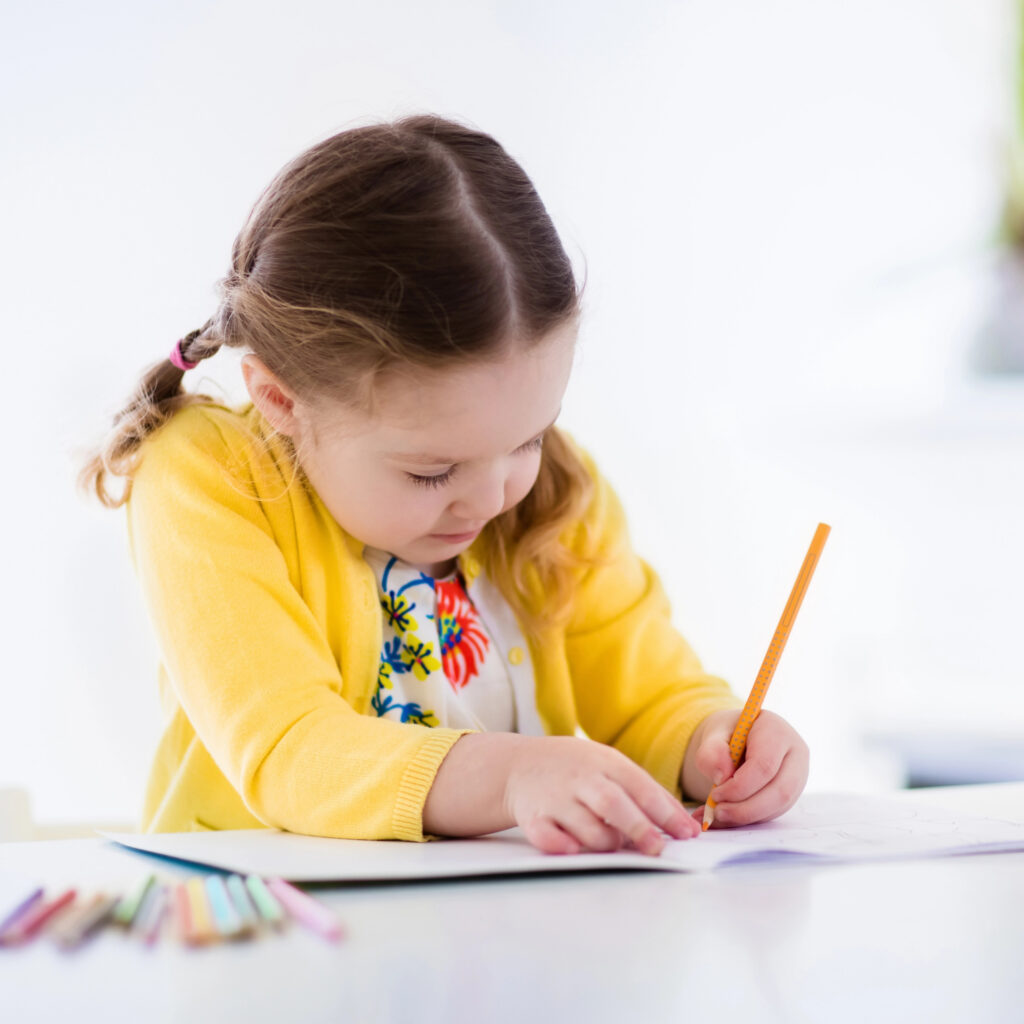
Letter tracing gives children a visual guide as they learn how letters are formed. It helps them practice the direction and sequence of strokes while becoming more familiar with each letter.
When introducing a new letter, demonstrate how to form it first. Encourage children to start in the correct place and follow the strokes slowly.
Begin with a few letters at a time rather than asking children to trace the entire alphabet in one sitting. Short practice sessions can help children focus on forming each letter carefully.
You can also pair letter tracing with letter naming. Have children say the letter aloud as they trace it.
- Start With Capital Letters: These are simpler and easier for young learners to master.
- Use Handwriting Worksheets: Use engaging Letter Tracing Worksheets that include tracing, writing, and identifying letters.
- Incorporate Movement: Use large arm movements to draw letters in the air or on a whiteboard before transitioning to paper.
Make It Fun and Engaging
Handwriting practice doesn’t have to be boring! Add variety and excitement with:
- Themed Activities: Use seasonal or thematic handwriting activities to match classroom themes.
- Games: Turn handwriting into a game by having students write letters as part of a game or Write the Room activities.
- Art Projects: Encourage writing through creative projects, such as creating cards and crafts.
Offer Plenty of Practice Opportunities
Like other early learning skills, handwriting improves with practice. The key is to provide regular opportunities without making writing feel overwhelming.
Aim for short, manageable practice sessions that match each child’s age, attention span, and current abilities. Focus on correct letter formation and comfortable control rather than speed.
You can rotate between tracing, copying, writing familiar letters, and practicing the letters in a child’s name.
Incorporate writing in:
- Morning Tubs: Include handwriting practice like Letter Tracing Cards in morning tubs.
- Literacy Centers: Set up a handwriting station with engaging tools and activities.
- Independent Work: Give students individualized practice worksheets based on their needs.
By focusing on fine motor skills, teaching proper techniques, and making learning fun, you can help your students develop their handwriting skills.
Handwriting Activities for Preschool and Kindergarten:
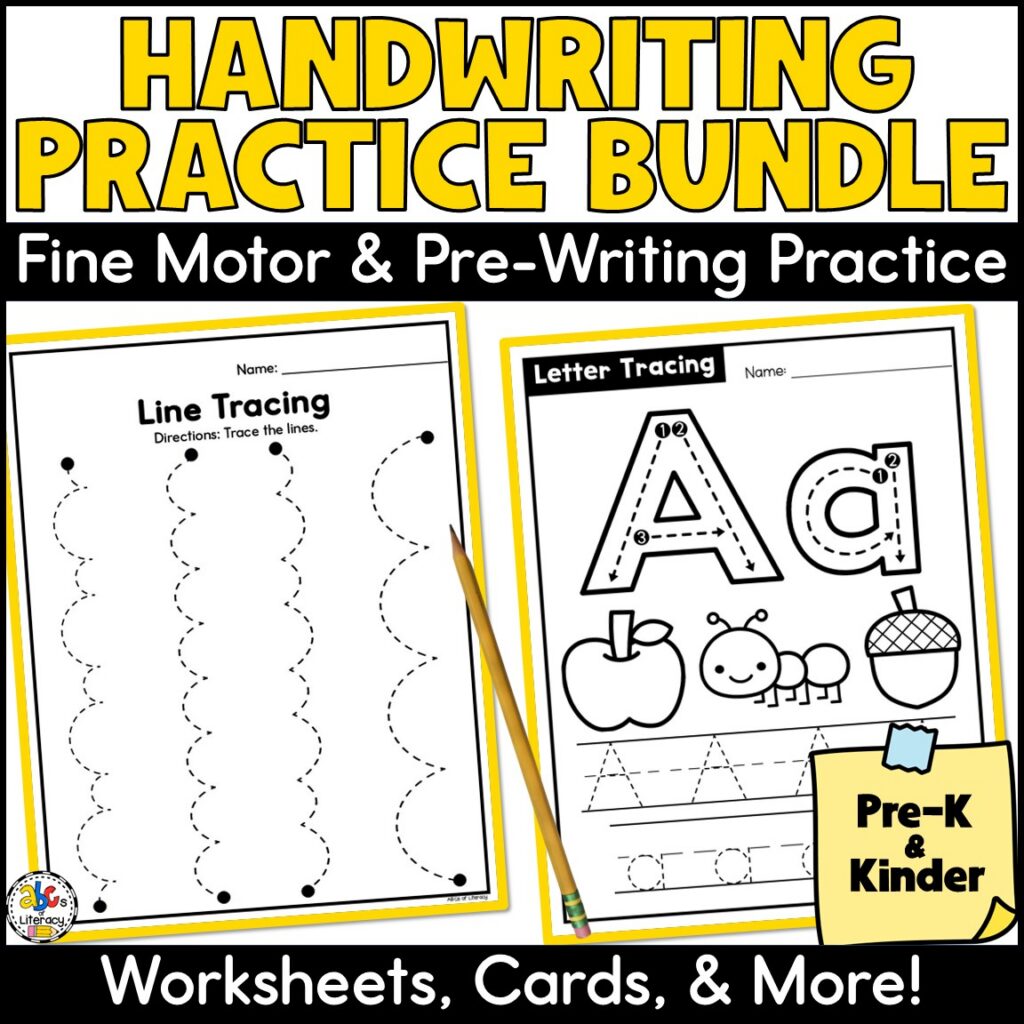
Make handwriting practice fun and engaging with this Handwriting Practice Bundle! Designed to help young learners build fine motor skills and strengthen early writing skills, this bundle includes line tracing worksheets, letter tracing worksheets, letter tracing cards, and more.
Perfect for preschool, Pre-K, and kindergarten, these hands-on activities provide plenty of opportunities for little learners to practice tracing lines, forming letters, and building confidence as they prepare for writing!
What’s Included:
- Line Tracing Worksheets
- Letter Tracing Worksheets
- Letter Tracing Cards (2 Sets)
- Animal Letter Tracing Book
Click on the link or the picture to learn more about the activities included in this bundle!
Pin It For Later:
Do you want to save these tips for later? Pin this on Pinterest and it’ll be here for when you’re ready!