
Letter Knowledge Assessment
As you are teaching letter recognition, the most important thing you can do alongside instruction is track exactly where each student is.
Which letters does a child know with confidence? Does he or she consistently miss the same letters? Which sounds are still uncertain? Without a reliable way to capture that data, planning targeted instruction is guesswork.
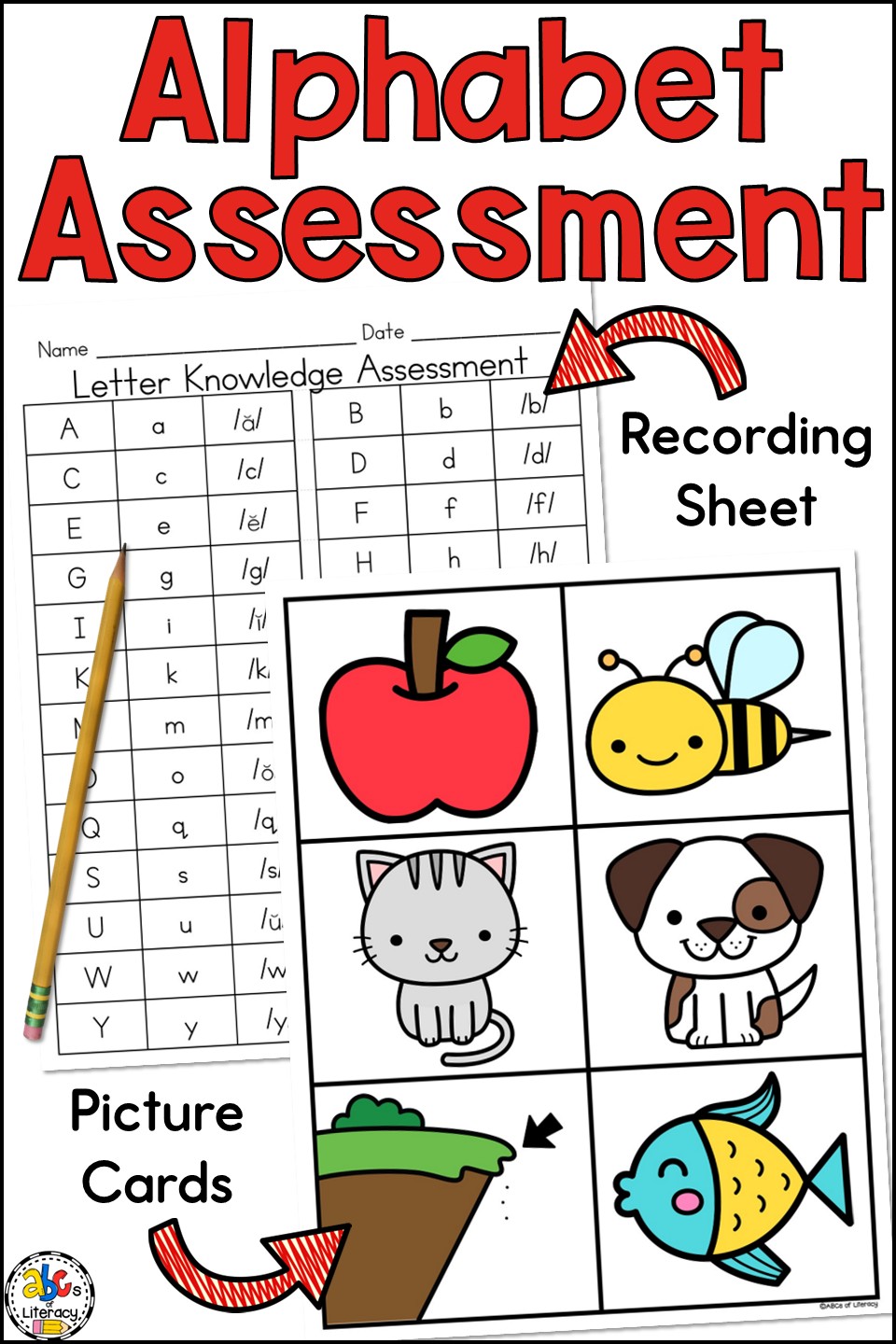
This Letter Recognition Assessment gives you a complete, organized system to find out — covering uppercase letters, lowercase letters, letter sounds, and letter formation, all in one resource.
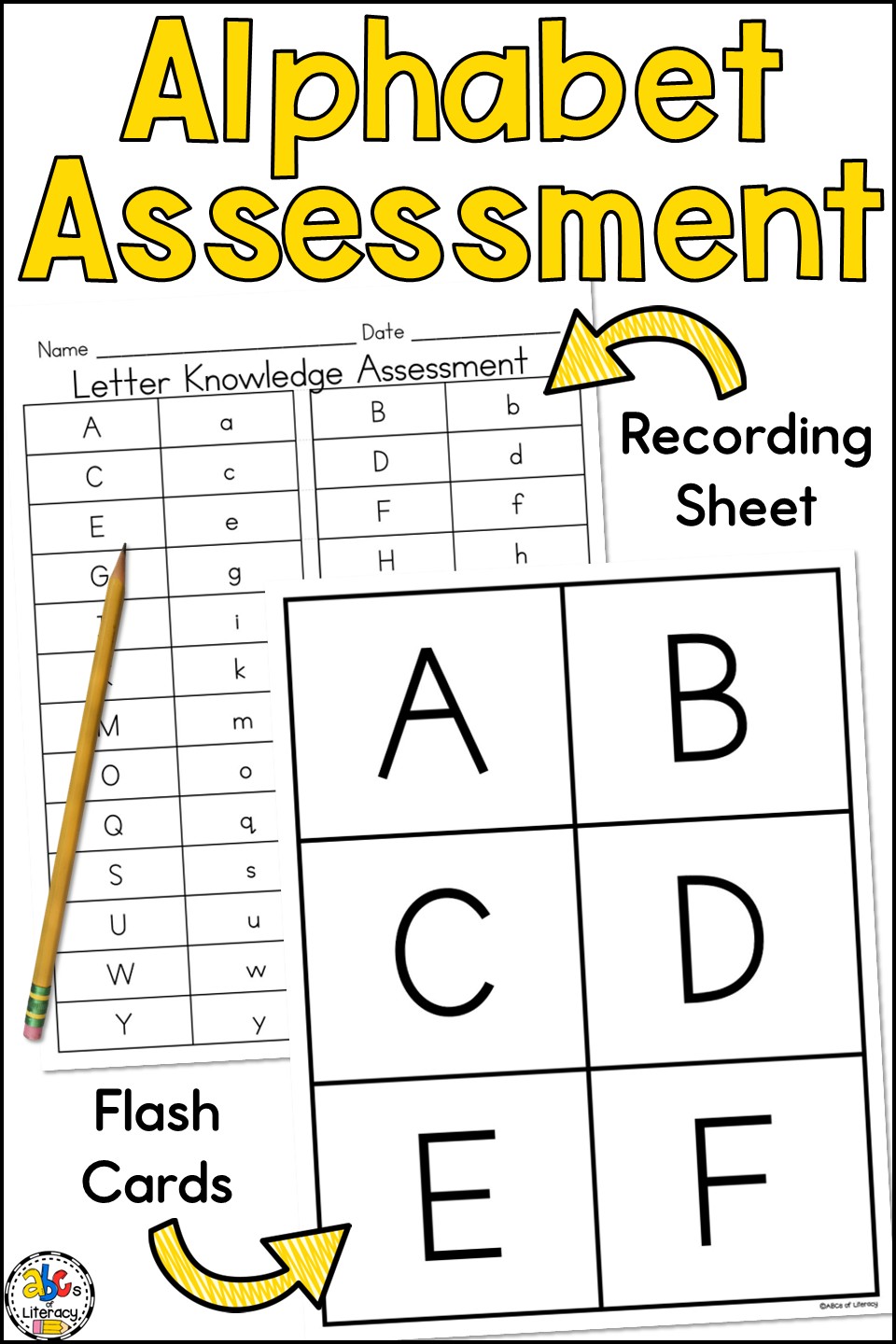
Letter & Sound Knowledge Assessment:
A good letter recognition assessment does three things: it tells you what a student already knows, it pinpoints exactly where the gaps are, and it gives you data you can actually use to plan next steps. This resource is built to do all three — efficiently and without adding extra prep to your week.
Assess Four Skills in One Resource
Most letter knowledge assessments only check whether a child can name a letter when they see it. This resource goes further. You can assess:
- Uppercase letter recognition — can the student identify each capital letter by name?
- Lowercase letter recognition — can the student identify each lowercase letter by name?
- Letter sound identification — does the student know the primary sound each letter makes?
- Letter formation — can the student write both uppercase and lowercase letters correctly?
That four-in-one scope means you don’t need separate assessments for each skill or a different tool for different time points in the year. Everything is built into one cohesive system.
Use It at Any Point in the Year
The recording sheets, flashcards, and testing pages are designed to function as a pre-assessment, post-assessment, progress monitoring check, or readiness assessment — so the same resource serves multiple purposes:
- Beginning of the year — establish a baseline for every student before instruction begins
- After a unit or letter group — confirm mastery before moving on
- Progress monitoring — pull students periodically throughout the year to track growth
- End of year — document what each student has learned and what still needs reinforcement in the next grade
Because the data lives on the same recording sheet across all three time points, you can see growth at a glance without pulling multiple documents.
Save Time With a Ready-to-Use System
This resource is designed so that you print it once, laminate the cards, and you’re ready to assess any time — beginning of year, middle of year, or end of year.
As one teacher put it after using the resource: it was “a huge timesaver” — she printed everything she needed, assessed her class, and used the data directly for interim reports and report cards without having to create anything from scratch.
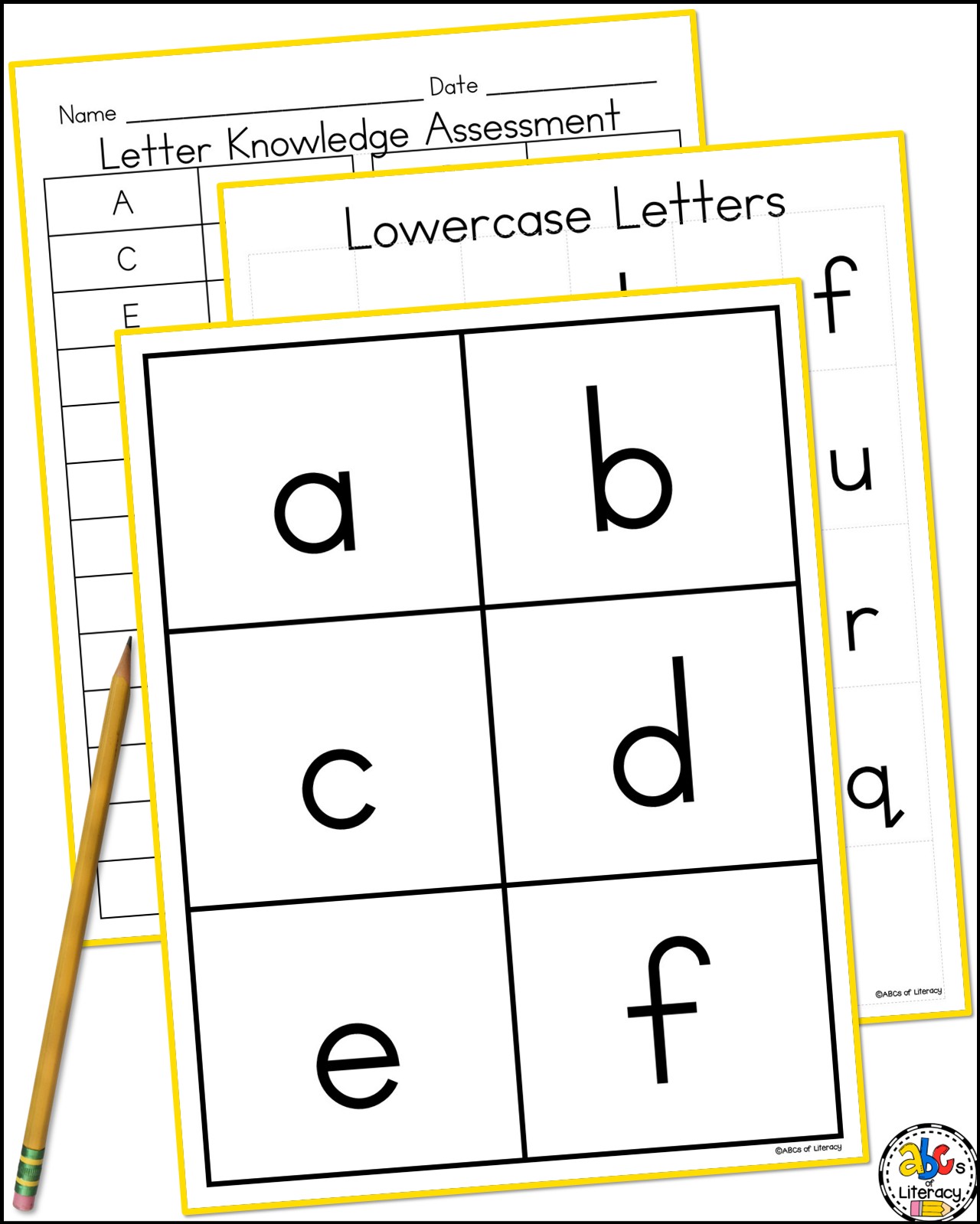
Getting Ready To Use The Letter Recognition Assessment:
What’s Included:
- Recording Sheets
- Uppercase Letter Testing Page (all letters on one page)
- Uppercase Flashcards
- Lowercase Letter Testing Page (all letters on one page)
- Lowercase Letter Flashcards
- Picture Flashcards for Letter Sounds
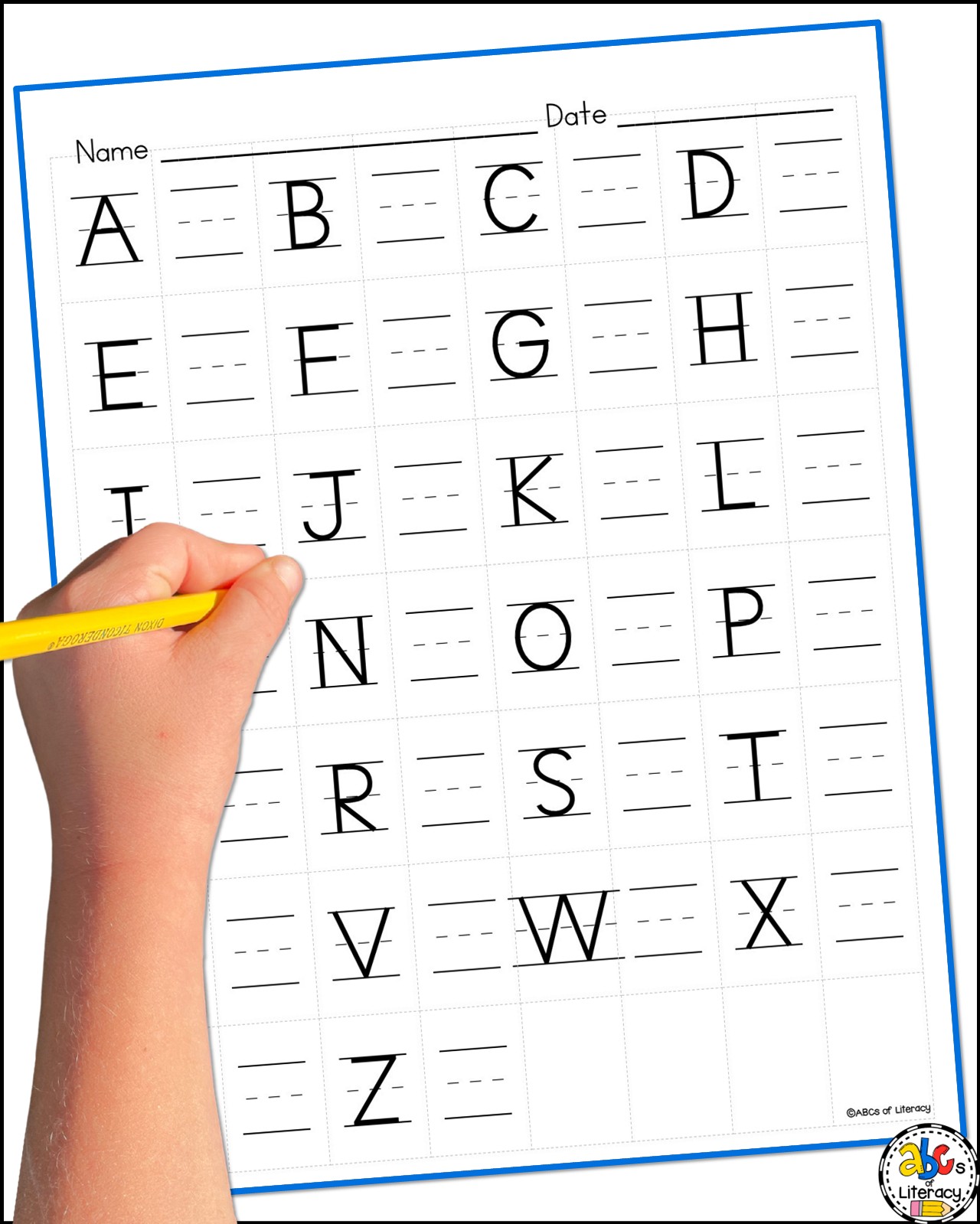
- Letter Writing Testing Page (all letters on one page)
- Letter Writing Flashcards
- Writing Papers (for students to write the letters)
What Else Is Needed:
- White Card Stock or Copy Paper
- Laminator
- Laminating Pouches
- Scissors
- Rings (optional)
- Hole Punch (optional)
Skills Assessed:
- Uppercase letter recognition
- Lowercase letter recognition
- Letter sound identification
- Alphabet knowledge
- Uppercase letter formation
- Lowercase letter formation
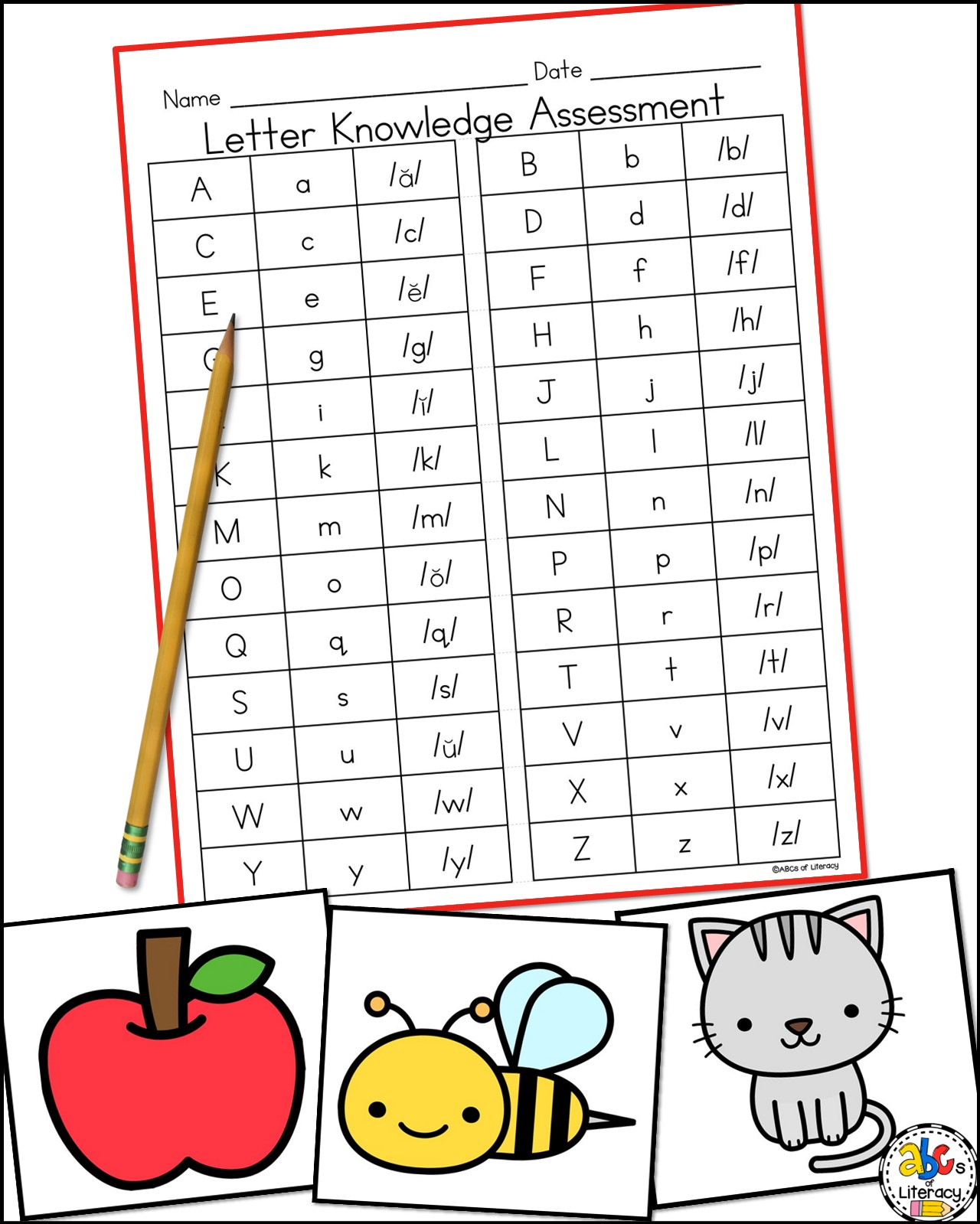
How To Use The Alphabet Recognition Assessment:
There are many ways to use this resource to assess your children’s letter knowledge.
Using Recording Sheet 1: Use the uppercase and lowercase letter flashcards along with the first recording sheet to assess letter recognition skills.
Using Recording Sheet 2: Use the uppercase letters, lowercase letters, and picture flashcards with the second recording sheet to assess both letter recognition and beginning sounds.
You can show them a card and ask what sound the picture begins with. You can also give your students a sound and have them find the picture card that begins with that sound.
Using Recording Sheet 3: Use the letter flashcards, picture cards, and writing papers with the third recording sheet to assess letter recognition, letter sounds, and letter formation together.
Next Steps & Recommendations:
1. Get the resource. Click the button below to purchase the Letter Recognition Assessment on Teachers Pay Teachers. You’ll receive a 48-page PDF that includes all recording sheets, flashcards, testing pages, picture cards, and writing papers.
2. Print and prep your materials. Print the recording sheets and testing pages on regular copy paper — you’ll need one per student per assessment window. Next, print the flashcards and picture cards on white card stock, then laminate before cutting apart. Once laminated, the card sets are durable and reusable for the whole year (and in future years).
3. Set up your card system. After cutting the laminated cards apart, hole-punch one corner and put them on large rings — one ring for uppercase flashcards, one for lowercase, one for picture cards. This keeps sets organized and makes it fast to grab exactly what you need for each recording sheet configuration.
4. Choose your starting recording sheet. Beginning of year for preschool or pre-K? Start with Recording Sheet 1 to get a clean baseline on letter recognition before layering in sounds. Beginning of year for kindergarten? Recording Sheet 2 gives you recognition and beginning sounds in one pass. Use Recording Sheet 3 when you’re ready to assess letter formation as well.
5. Schedule your assessment windows. Block out time in the first two weeks of school to complete initial assessments. Then plan return assessments at natural transition points: after each letter group or unit, at the semester midpoint, and at the end of the year. Mark your recording sheets with the date each time you assess so you have a documented growth arc for each student.
6. Use the data to form instructional groups. Once you’ve assessed the class, sort students by their specific gaps — not just by overall letter knowledge. Students who need uppercase recognition support need different instruction from those who know letters but struggle with sounds, or those who need formation support. Flexible, targeted small groups are far more efficient than whole-class alphabet instruction for students with varied baselines.
7. Pair assessment data with hands-on letter practice. Assessment tells you what to teach. Activities are how students actually learn. If you’re looking for targeted letter practice to address the gaps your assessment reveals, the Letter Recognition Activities give you a range of hands-on, developmentally appropriate options — from alphabet games to sensory experiences to printable centers — that you can match directly to the letters and skills each student needs.
Frequently Asked Questions:
What grade levels is this assessment designed for? This assessment is designed for preschool, pre-K, and kindergarten students. It’s an ideal starting-of-year tool for kindergarten, a year-round progress monitoring resource for pre-K, and a readiness benchmark for preschool. Because the resource covers a range from basic uppercase recognition through letter sound and formation, it’s flexible enough to meet students wherever they are.
How long does the assessment take to administer? Administration time depends on which recording sheet you use and how many skills you’re assessing. A focused uppercase or lowercase recognition check using one set of flashcards typically takes 3–5 minutes per student. A full assessment using Recording Sheet 3 — covering recognition, sounds, and formation — takes closer to 10–15 minutes. Most teachers break the full assessment into two or three shorter sessions rather than doing it all at once.
What’s the best way to fit assessments into a busy schedule? Pull one or two students at a time during centers or morning tubs when the rest of the class is engaged and self-directing. You don’t need a large block of uninterrupted time — three to five minutes per student during a regular center rotation is enough to complete a recognition check. Spread the class across a week and you have a full set of baseline data without disrupting your instructional schedule.
Do I need to assess all 26 letters at once? No. For younger students or early in the year, assessing in smaller groups of 5–8 letters is more reliable — students stay focused and the data better reflects what they actually know. You can track which letters you’ve assessed on the recording sheet and pick up where you left off. For older students or mid-year progress checks when students are more familiar with the routine, moving through all 26 letters in one session is typically fine.
Can I use this with a student who is receiving intervention or special education support? Yes. The structured, one-on-one format of this assessment is well-suited for intervention contexts. The specific error-capture format of the recording sheets — where you note the exact incorrect response rather than just marking wrong — produces the kind of granular data that’s useful for intervention planning, IEP documentation, and progress monitoring requirements. The resource is also appropriate for speech therapy contexts where letter sound knowledge is a focus.
Can this be used for homeschooling? Absolutely. Homeschooling families can use the recording sheets to track a child’s letter knowledge over time, identify which letters to focus on next, and have a clear record of progress to reference. Because it’s a PDF, you can print as many recording sheets as you need and reuse the laminated card sets as your child grows.
What do I do after I have the assessment results? Use the recording sheet to identify patterns: which letters does the student know consistently, which do they know sometimes, and which do they not know at all? Group letters into “secure,” “emerging,” and “not yet” categories. Then prioritize instruction on the “emerging” letters — those are the ones where focused practice will produce the fastest growth.
Pin It For Later:
Do you want to save this this resource for later? Pin this on Pinterest and it’ll be here for when you’re ready!
More Literacy Resources:
If you are looking for more literacy resources, check these out:
- 5 Pre-Reading Skills Kids Need To Be Successful Readers
- Ways to Improve Handwriting Skills
- Fine Motor Activities for Preschool & Kindergarten
You May Also Like This Resource:
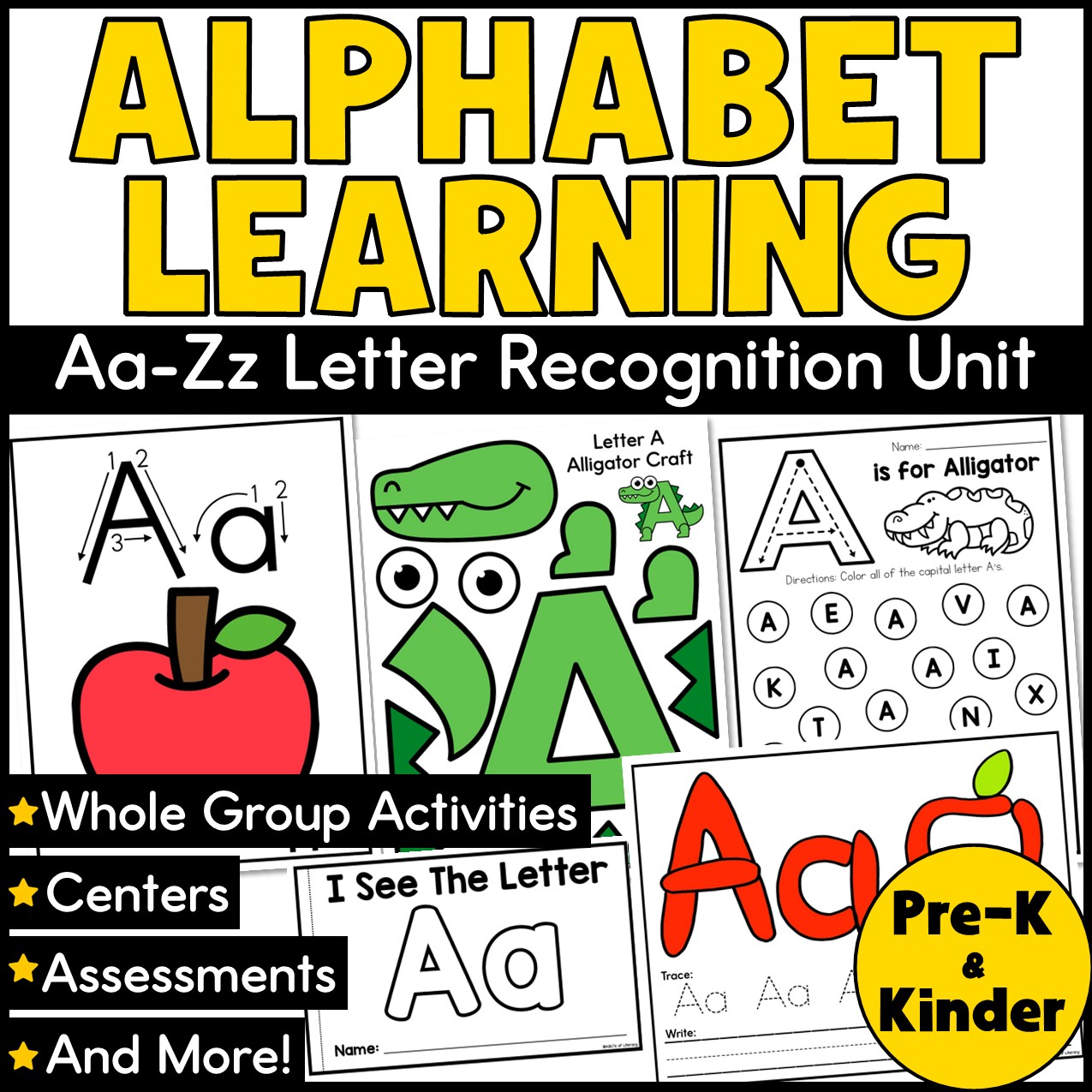
Build confident letter learners with this collection of alphabet resources designed for preschool, pre-k, and kindergarten students.
This bundle includes everything you need to introduce, practice, and assess uppercase and lowercase letter recognition through engaging whole-group lessons and activities, literacy centers, and assessments, and more!
Get the Letter & Sound Knowledge Assessment:
Ready to assess your students’ letter and sound knowledge? Click the button below to get the Letter Recognition Assessment on Teachers Pay Teachers.
THANK YOU FOR SHARING THE ASSESSMENT
Thank you
These are great resources! Thank you
Melissa
great assessment
Thank you!
looking forward to using it!
Thank you for the assessment
Thank you for sharing these wonderful resources!